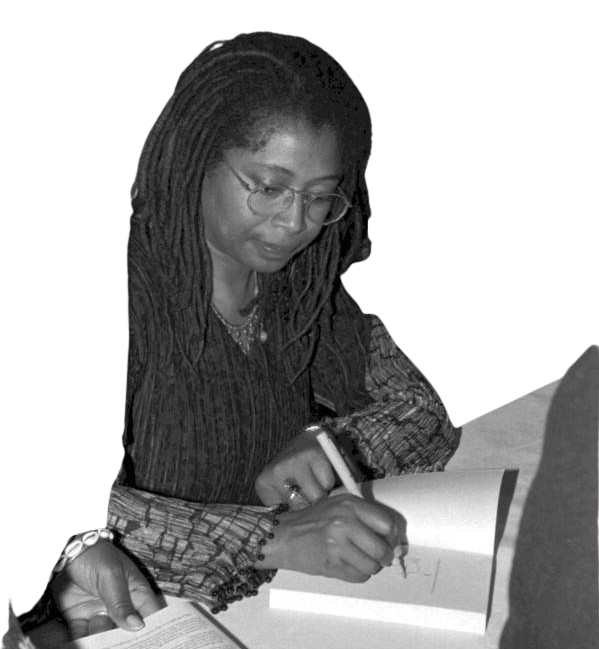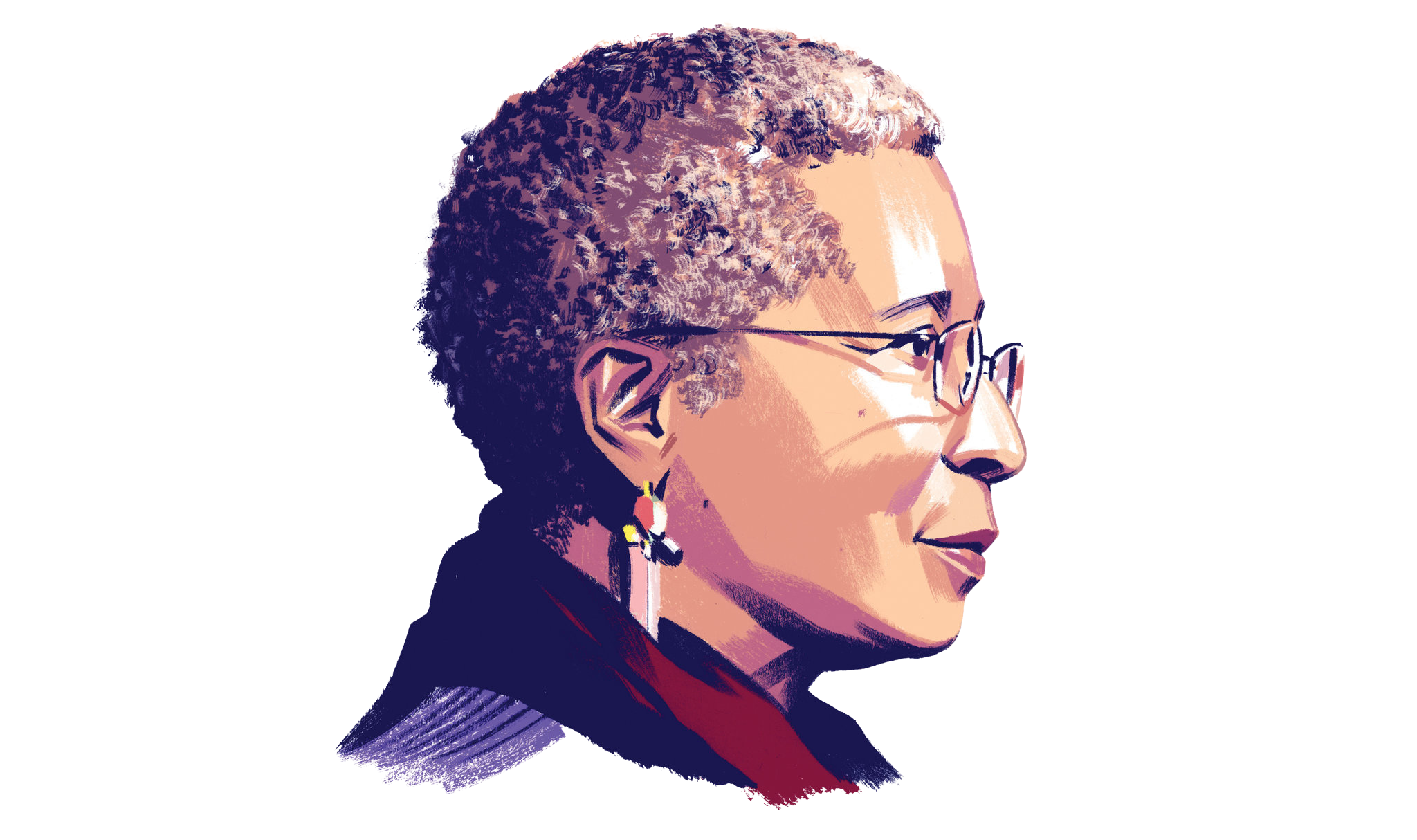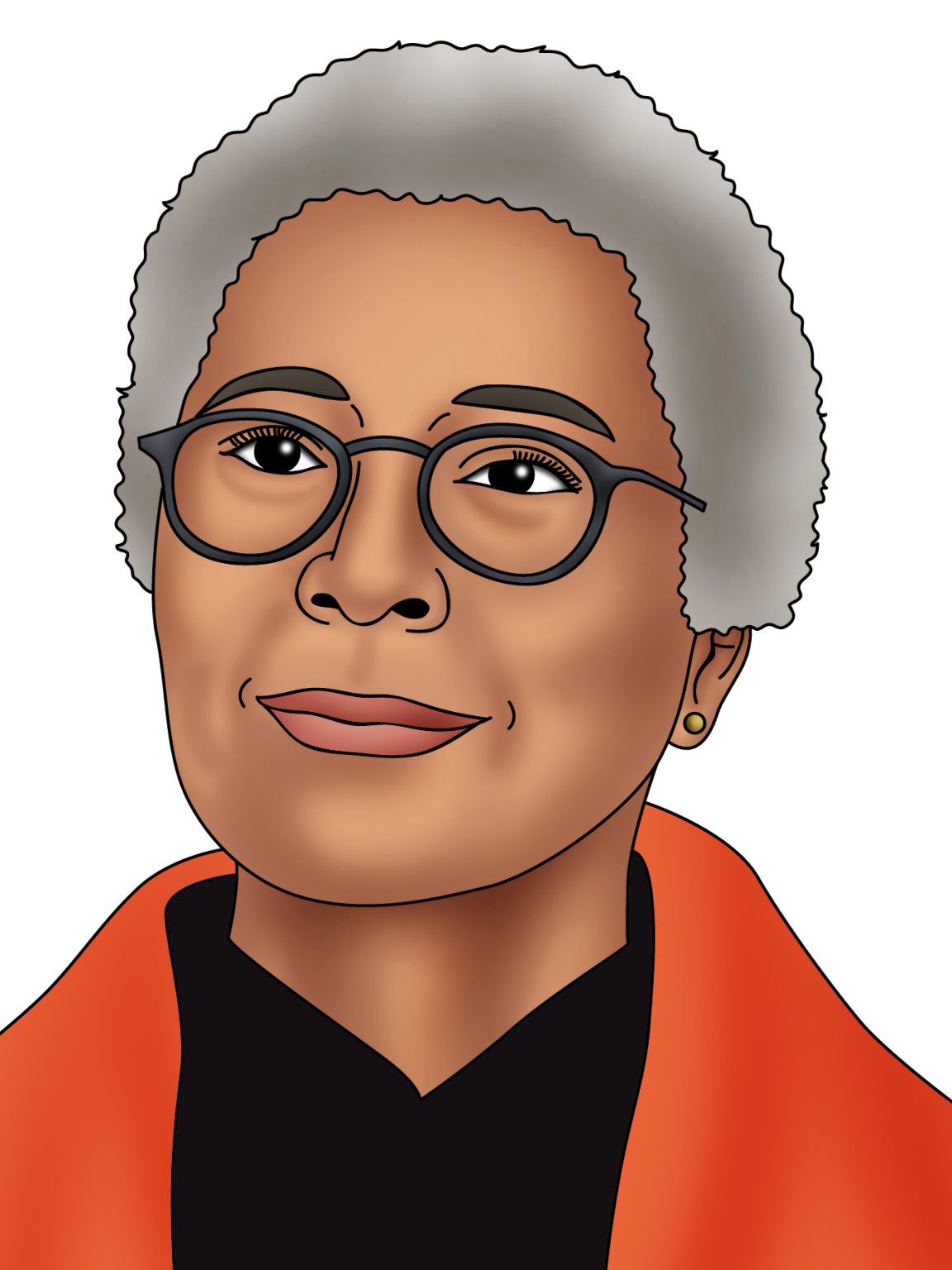
"If literature didn’t inspire empathy and compassion, it would be virtually useless. The reason I absolutely do love and treasure literature is that it has taken me out of myself."
— Alice Walker
Discover the powerful story of transformation, resilience, and the triumph of the human spirit
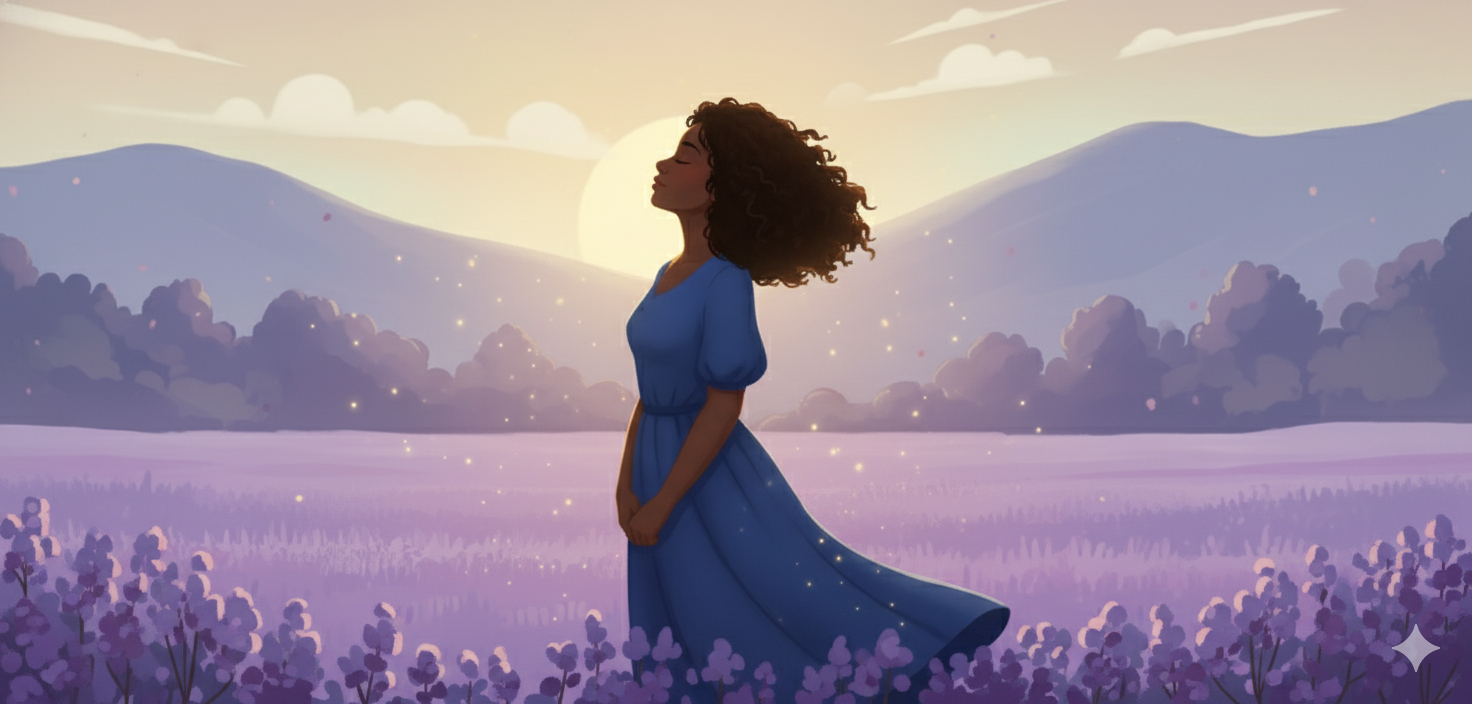
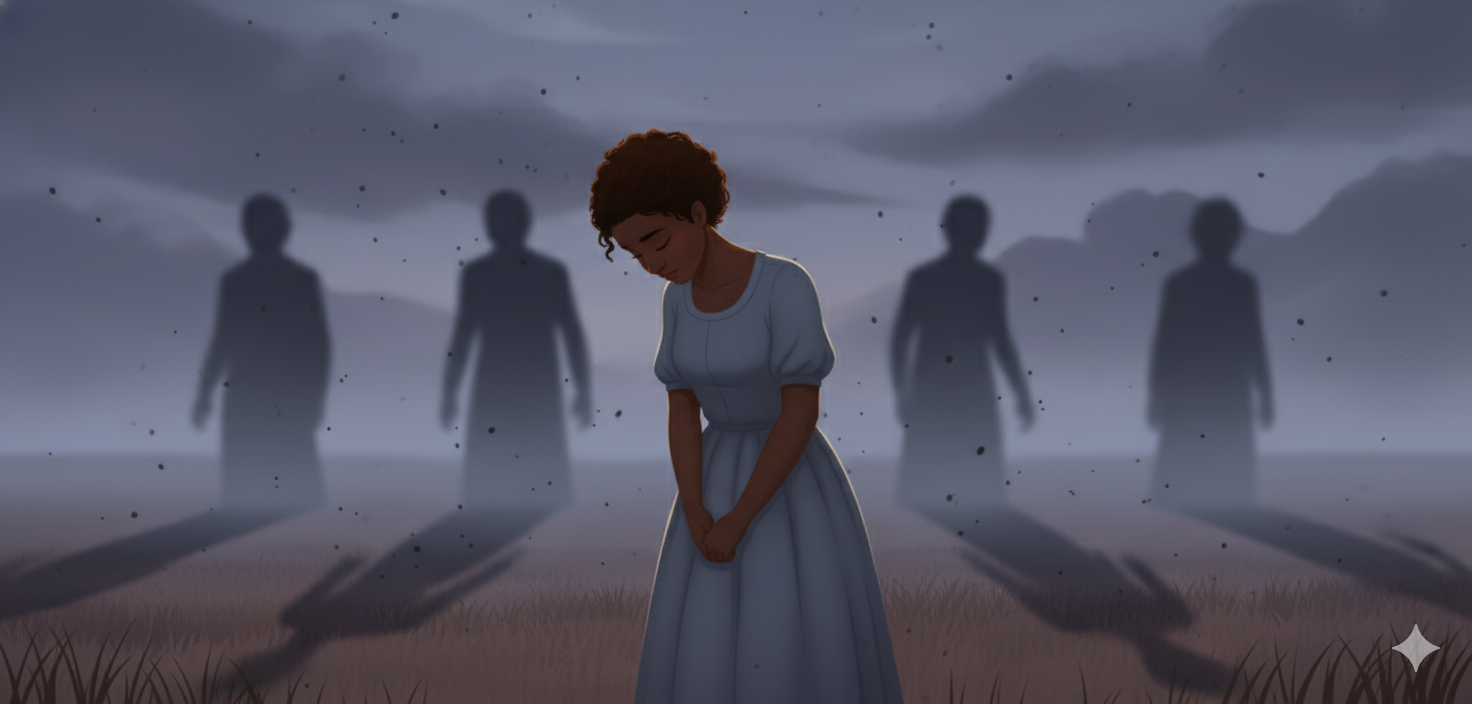
The Color Purple is a powerful novel by Alice Walker that follows the life of Celie, an African-American woman in the early 20th-century American South. Told through letters, the story reveals her struggles with abuse, racism, and sexism — and her journey toward self-discovery, freedom, and love. Through her bonds with other women, Celie learns to find her voice and see beauty in herself and the world around her.
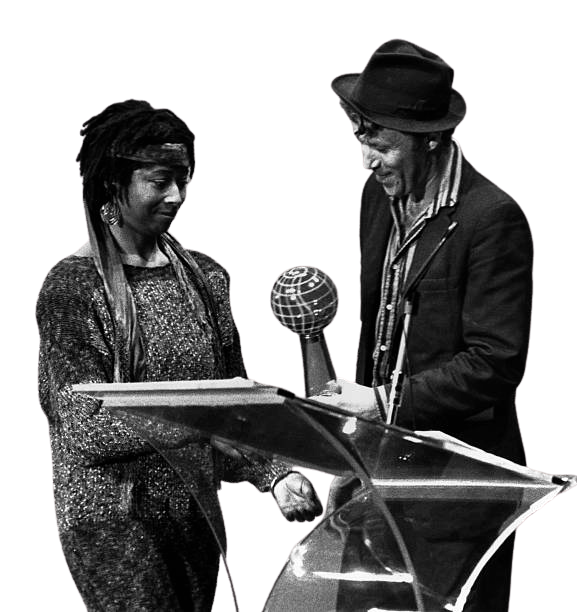
Pulitzer Prize
Fiction 1983
National Book Award
Fiction 1983
Set in rural Georgia in the early 20th century, The Color Purple tells the story of Celie, a young African American woman who overcomes tremendous hardship through the power of sisterhood, spirituality, and self-discovery.
1982
Epistolary Novel
1900s-1940s
Rural Georgia
"A work of permanent importance... dazzling in the intensity of its color and the beauty of its form." — New York Times
Where human experiences unfold through stories of strength, growth, and connection.
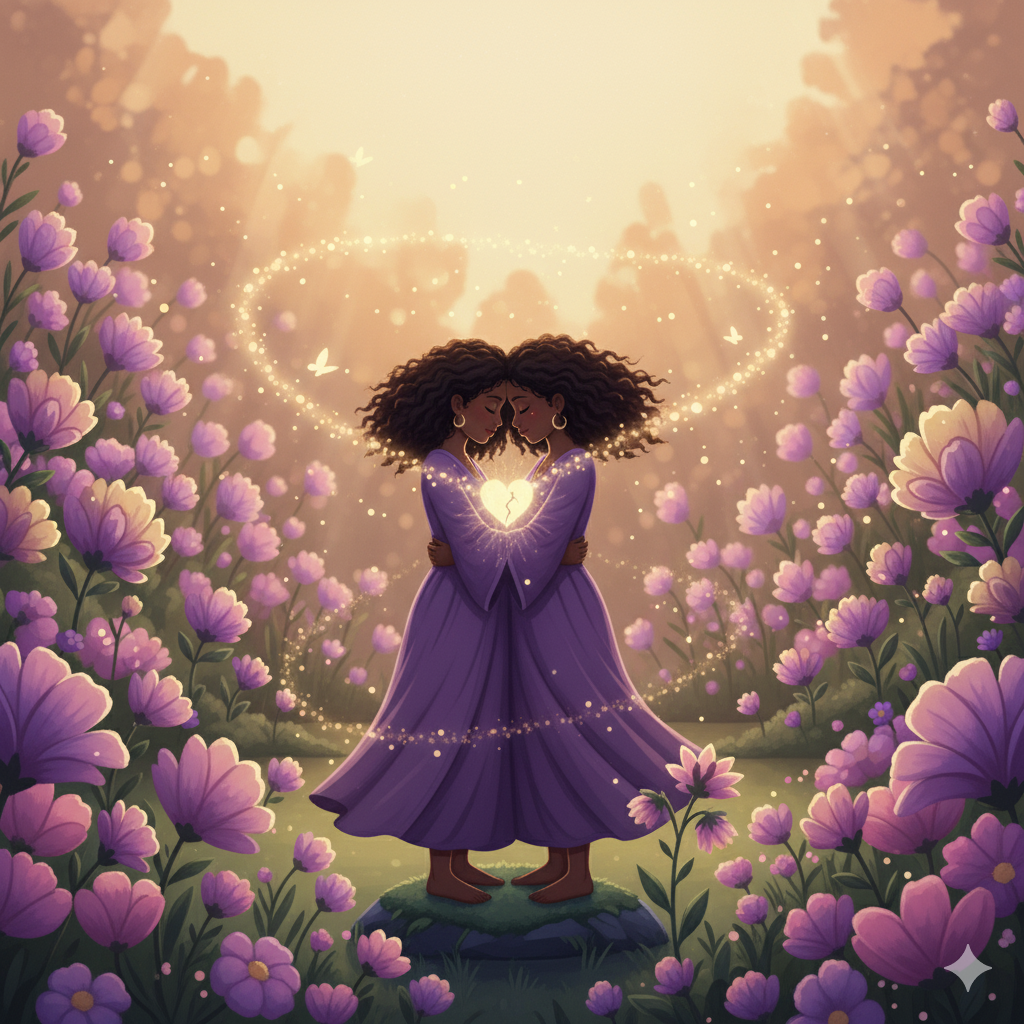
Through Celie's relationships with Shug Avery, Sofia, and Nettie, Walker shows how women create powerful bonds of mutual support and healing beyond biological family ties.
Celie's transformation from a silent, abused girl to a confident woman who speaks her truth is central to the novel's exploration of personal growth and empowerment.
The novel depicts the brutal realities of racism and sexism in the Jim Crow South, showing how characters like Sofia face violent consequences for refusing to submit to oppression.
Shug Avery teaches Celie to find God not in traditional church doctrine, but in nature's beauty, human love, and the color purple that represents divine presence in everyday life.
Through Celie's journey from abuse to self-love, and her relationships with Shug and Albert's transformation, Walker shows love's power to heal trauma and foster personal growth.
Where every color and element carries a deeper meaning beyond what the eyes can see.
The color purple embodies the forgotten divinity and beauty in life, a reminder that a woman's soul is not only worthy of simple pleasures, but also of being acknowledged as a magnificent creation of God.
The letters are Celie's lifeline, the only safe space for her true voice to exist. They are the vital, unbroken thread of communication that allows her to connect with her sister, Shug, and eventually, her own self.
The craft of sewing and the making of pants symbolize Celie's journey from fragmentation to wholeness. By creating something beautiful and useful on her own terms, she stitches together a new life of financial and personal independence.
Nature, from the trees to the wind, represents the true face of a loving God, accessible to all, rather than the judgmental God of the white man. It is the place where Shug teaches Celie that joy, pleasure, and the earth itself are God
Shug Avery’s powerful, blues-soaked songs are the voice of untamed passion and spiritual healing. They act as a catalyst for Celie's self-acceptance, teaching her to embrace her desires and reclaim her womanhood.
The trees are silent witnesses to the struggles and secrets of the women, particularly Celie’s childhood trauma. They symbolize an enduring strength and the unshakeable, rooted connection of sisterhood that ultimately keeps life going.
Meet the unforgettable characters who bring this powerful story to life
Resilient, evolving, introspective
From victim to empowered woman
Represents the transformative power of self-discovery and sisterhood
"I'm pore, I'm black, I may be ugly and can't cook... But I'm here."
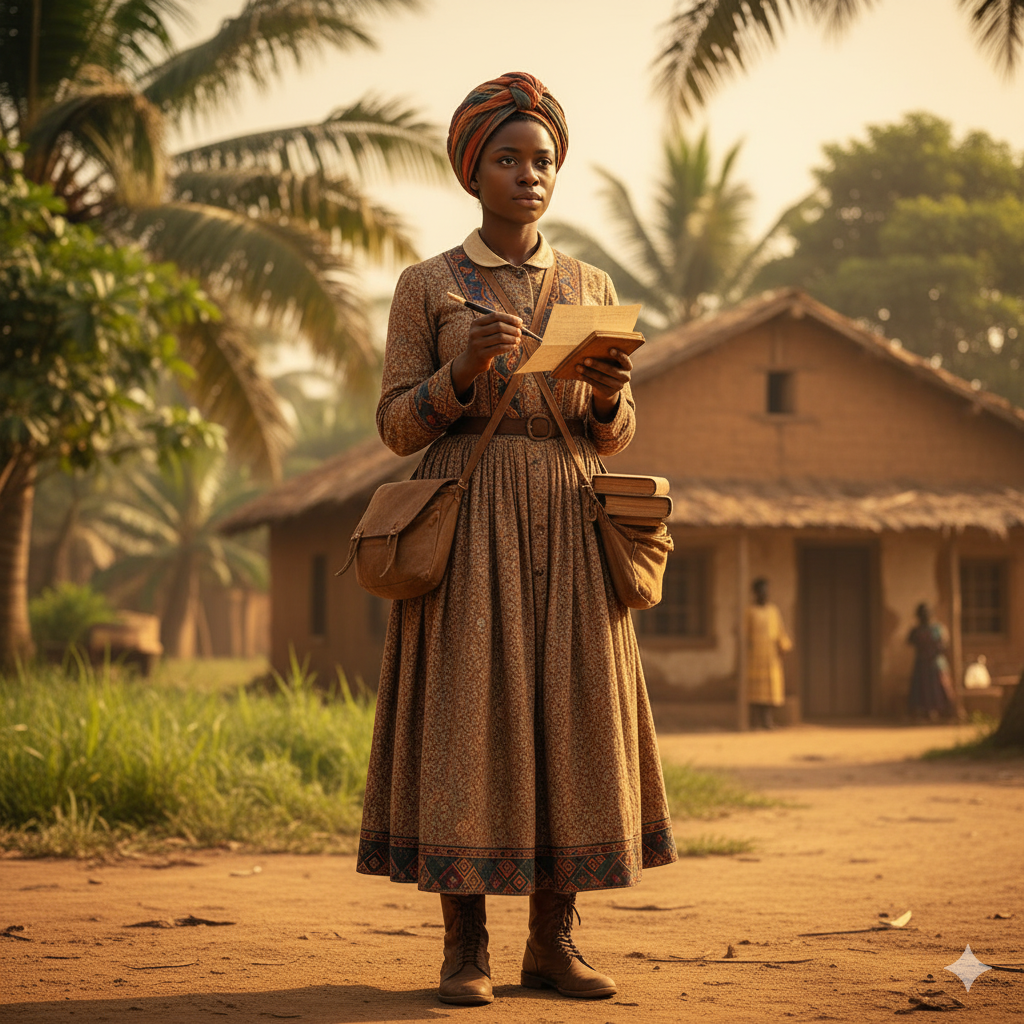
Educated, devoted, adventurous
Missionary work in Africa
Embodies hope and the unbreakable bond of sisterhood
"I love you with all my heart. I'll never stop loving you."
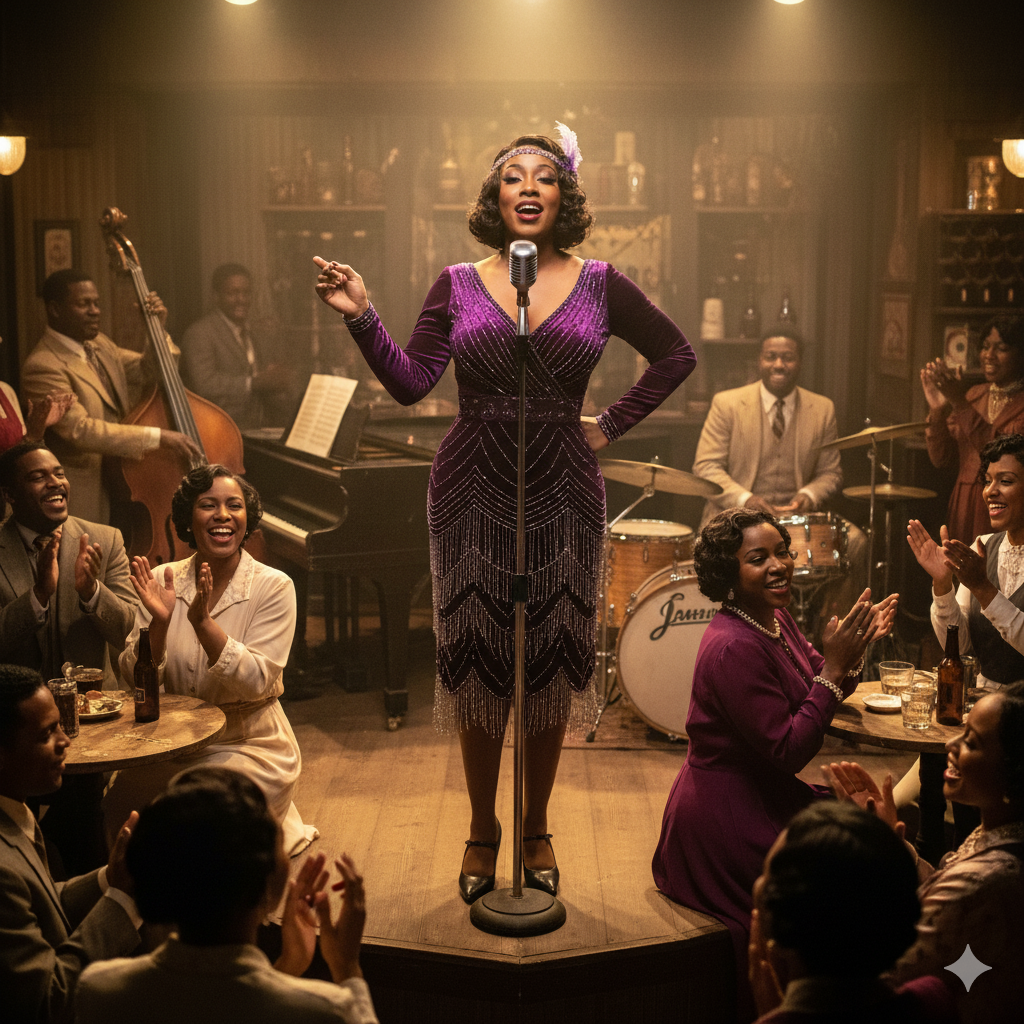
Independent, passionate, spiritual
Singer who teaches self-love
Catalyst for Celie's awakening and spiritual growth
"I think it pisses God off if you walk by the color purple and don't notice it."
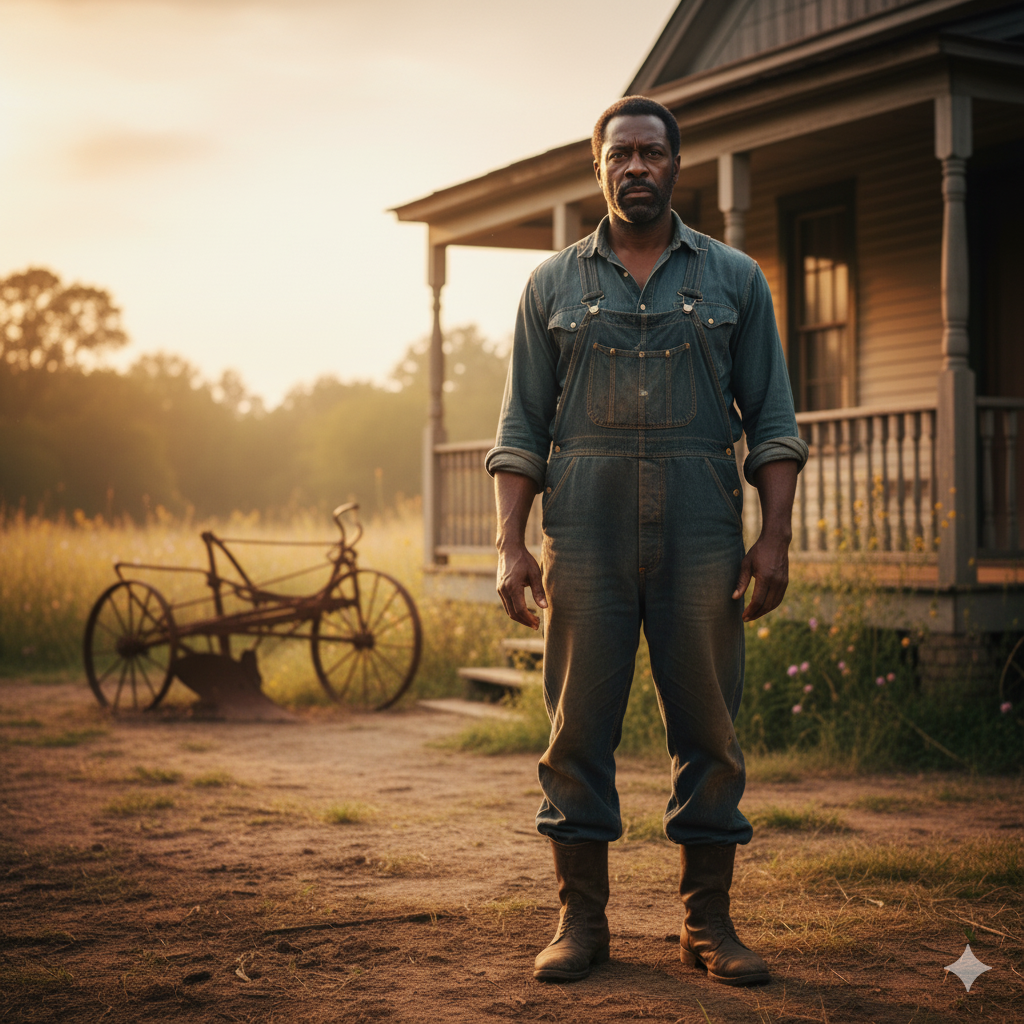
Abusive, controlling, eventually redeemable
From oppressor to understanding
Represents patriarchal oppression and potential for change
"You nothing at all. You black, you poor, you ugly, you a woman."
Violent, manipulative, deceitful
Celie's stepfather and first oppressor
Represents the cycle of abuse and trauma that Celie must overcome
"You gonna do what your mammy wouldn't."
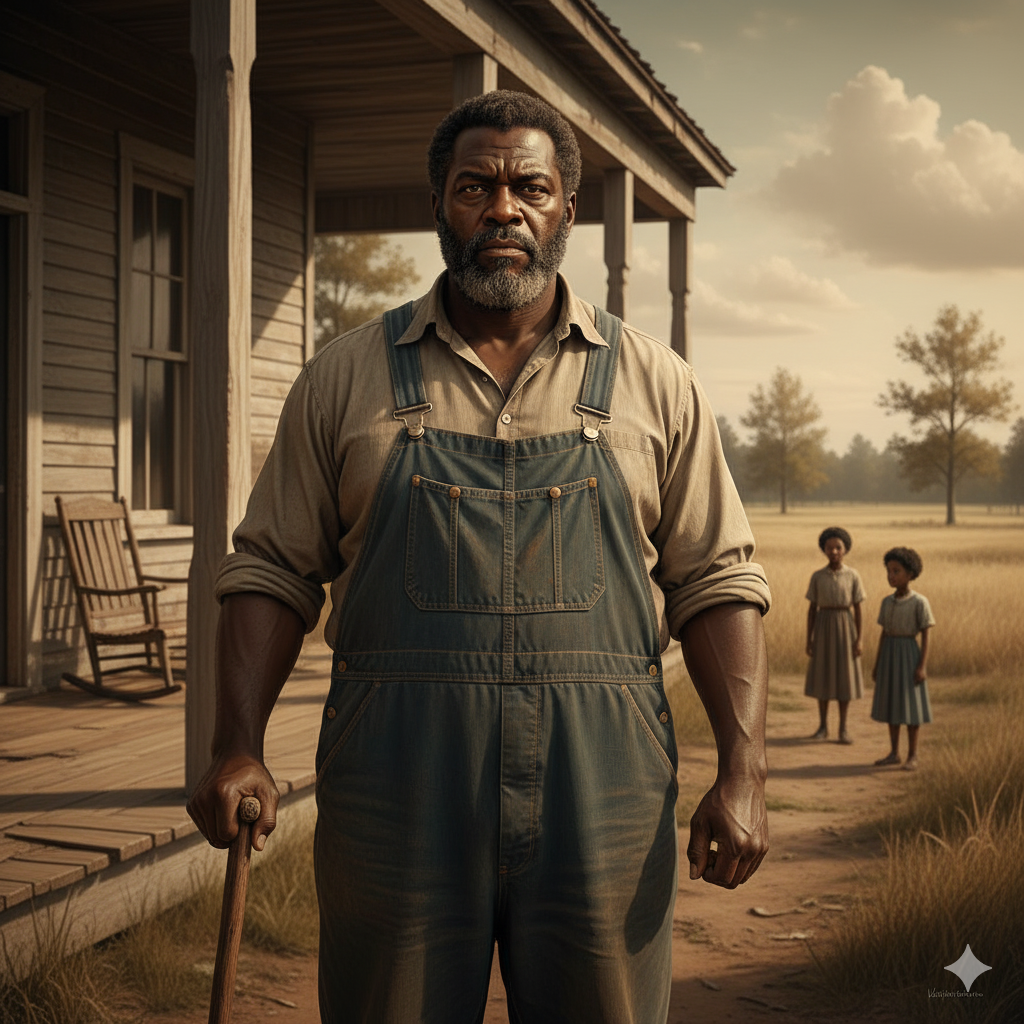
Conflicted, struggling, kind-hearted
Torn between tradition and love
Shows the struggle of men trying to break free from toxic masculinity
"I love her, but she don't mind."
Strong-willed, defiant, courageous
From proud woman to broken spirit to reclaimed strength
Embodies resistance against oppression and the cost of defiance
"All my life I had to fight. I had to fight my daddy. I had to fight my brothers."
Immerse yourself in the world of The Color Purple through interactive storytelling and cinematic adaptations that bring Alice Walker's masterpiece to life.
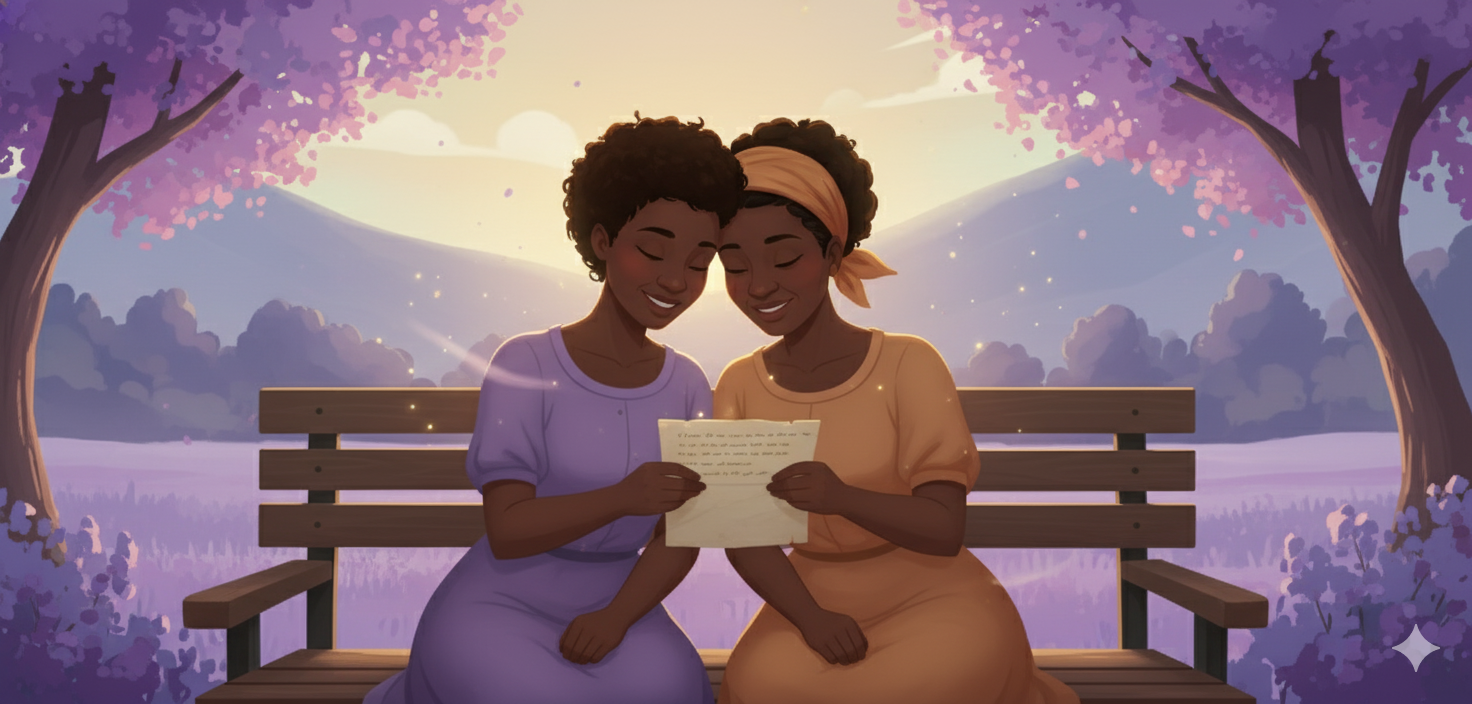
Experience Celie's transformative journey firsthand through her intimate letters. Each page reveals her innermost thoughts, struggles, and ultimate triumph as she discovers her voice and strength.
Written as personal letters to God and Nettie, revealing Celie's innermost feelings
Follow her transformation from silence to empowerment across decades
Click through pages at your own pace to immerse yourself in her story
My Story
-Celie
Click to open the book
Dear God, I am fourteen. I don’t understand why things happen to me. I just try to keep going. I write to You because You’re the only one who listens.
They tell me I’m to be someone’s wife. But I feel like a shadow following orders. My sister Nettie says to pray — that one day we’ll be free.
Nettie left today. She promised to write. I keep her face in my mind like sunlight. The world feels too big without her.
Then came Shug — bold, loud, and beautiful. She laughs like she owns the world. I didn’t know women could be that free.
Shug says I got to love myself first. She makes me feel like maybe I’m somebody too. For the first time, I start to smile for no reason.
All these years, Mister kept Nettie’s letters from me. My hands shake as I read them. My sister’s words — alive, breathing, waiting for me..
I stood up and said, “I may be poor, I may be Black, but dear God, I’m here.” My voice filled the room. And for once, I felt free.
I make pants now. For women, for men — for anyone who wants to walk free. Each stitch feels like a piece of my soul healing.
Sometimes even those who hurt you learn to change. I see Mister trying. And I feel peace growing, quiet like morning light.
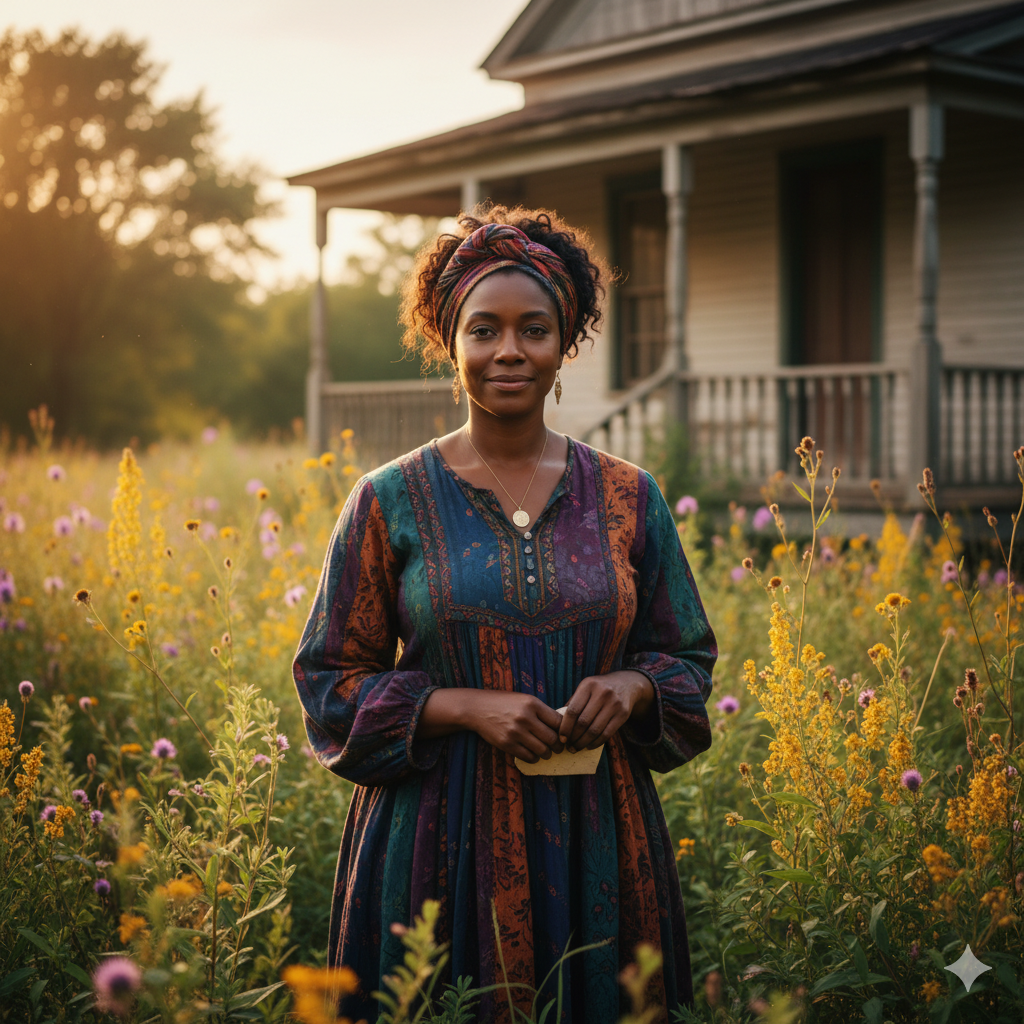
And then I see her — Nettie. My heart runs before my feet. After all the tears, all the waiting, we are home again. The color purple blooms everywhere.
God made the color purple just to make us notice the beauty of life. I see it now — in flowers, in love, in me.
Academy Award-nominated adaptation starring Whoopi Goldberg, Danny Glover, and Oprah Winfrey. A powerful cinematic translation that brought Walker's story to mainstream audiences worldwide.
Broadway musical brought to the big screen with powerful performances and stunning visuals. Features an all-star cast celebrating the story through song and dance.
Go behind the scenes of the powerful adaptations. Discover the creative process and the stories behind bringing this masterpiece to life.
Watch the cast of The Color Purple discuss their experiences on The Jennifer Hudson Show. Hear their personal stories and insights into bringing these iconic characters to life.
Dive deeper into the world of The Color Purple. Test your understanding of its profound themes and characters.
Embark on a short journey of discovery. Five questions to explore the depth of Walker's masterpiece.
You scored 0 out of 5
Explore more powerful stories by that share themes of resilience, identity, and empowerment